Grab your electric van grant while you can
One benefit that’s managed to avoid the chop relates to electric vehicles. What’s available and how might it help if you’re in the market for a new commercial vehicle?
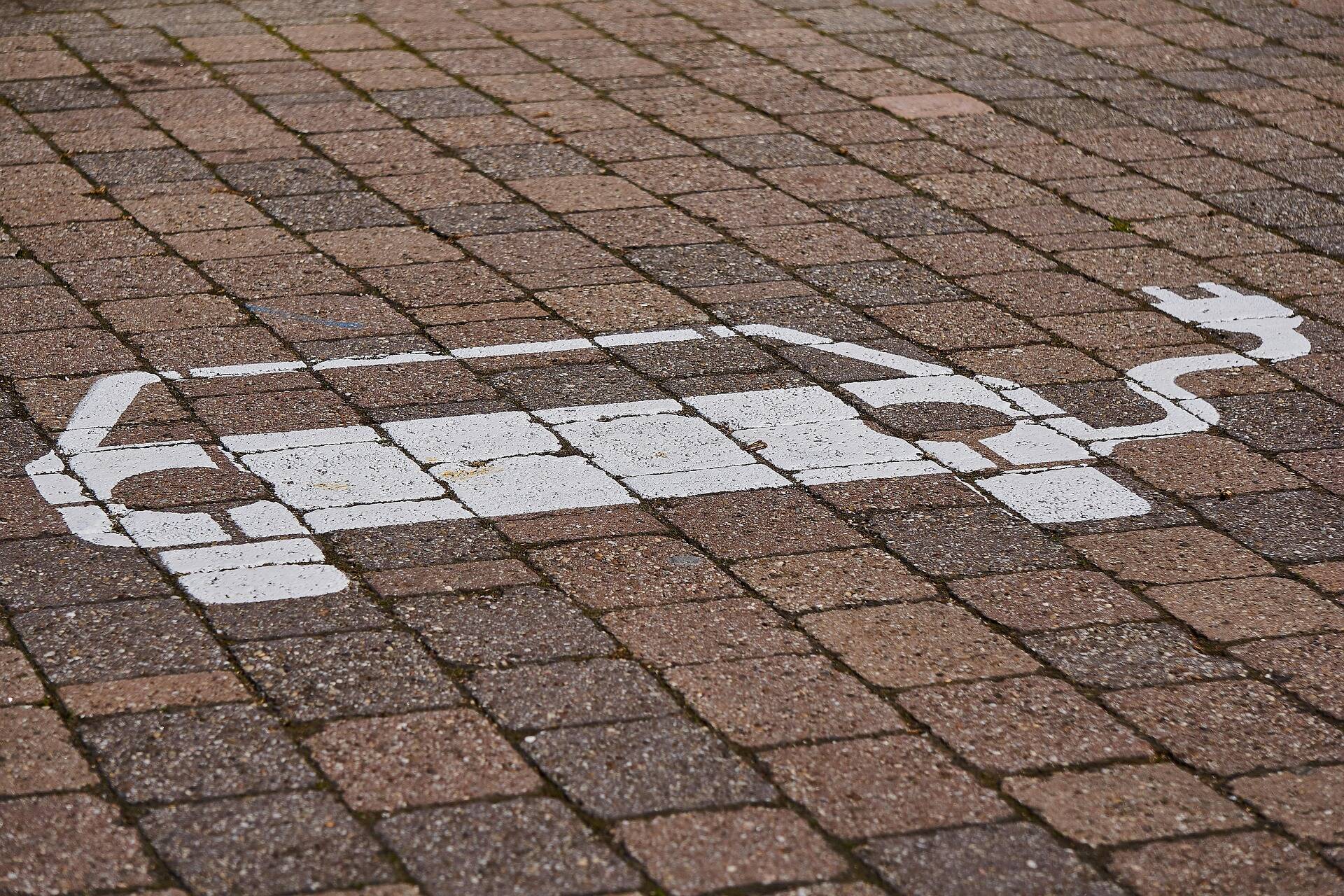
The government has announced that £120m is available to drivers, cabbies and businesses who want to make the switch to electric vehicles. The money comes through the “plug-in van grant”, which has been extended for another twelve months to April 2026. Under the 2024/2025 electric van grant rules, the maximum saving for 3.5-tonne electric vans is £5,000, while the maximum reduction for smaller vans up to 2.5-tonnes is £2,500. This will now be extended to 2025/26. Heavier electric vans such as those with 4.25-tonne ratings and N categorisation continue to qualify for the small truck grant, which offers an incentive of up to £16,000, capped at 20% of the purchase price.
To qualify for the plug-in grant the electrified van must now meet the following standards: 60 miles or more of zero emissions driving range; less than 50g/km CO2 emissions.The plug-in taxi grant, due to run out in April, has not been extended. However, grants of up to £4,000 for the purchase of zero emission cabs are being made available. This is less than the £6,000 available until March 31, 2025. A grant of £500 is available for those purchasing new electric motorbikes.
Related Topics
-
Should you voluntarily payroll benefits in kind?
The window to sign up to voluntarily payroll non-mandatory benefits in kind for 2027/28 will open in November. Is it worth volunteering to pay HMRC earlier than required or should you wait until it becomes mandatory in 2028/29?
-
Wise tax statement errors could affect 4,000 customers
Around 4,000 UK customers of financial services provider Wise have been told that tax statements issued between 2021 and 2025 contained incorrect figures. The errors could have resulted in taxpayers paying too much or too little income tax and capital gains tax (CGT). What should affected customers check?
-
CT61